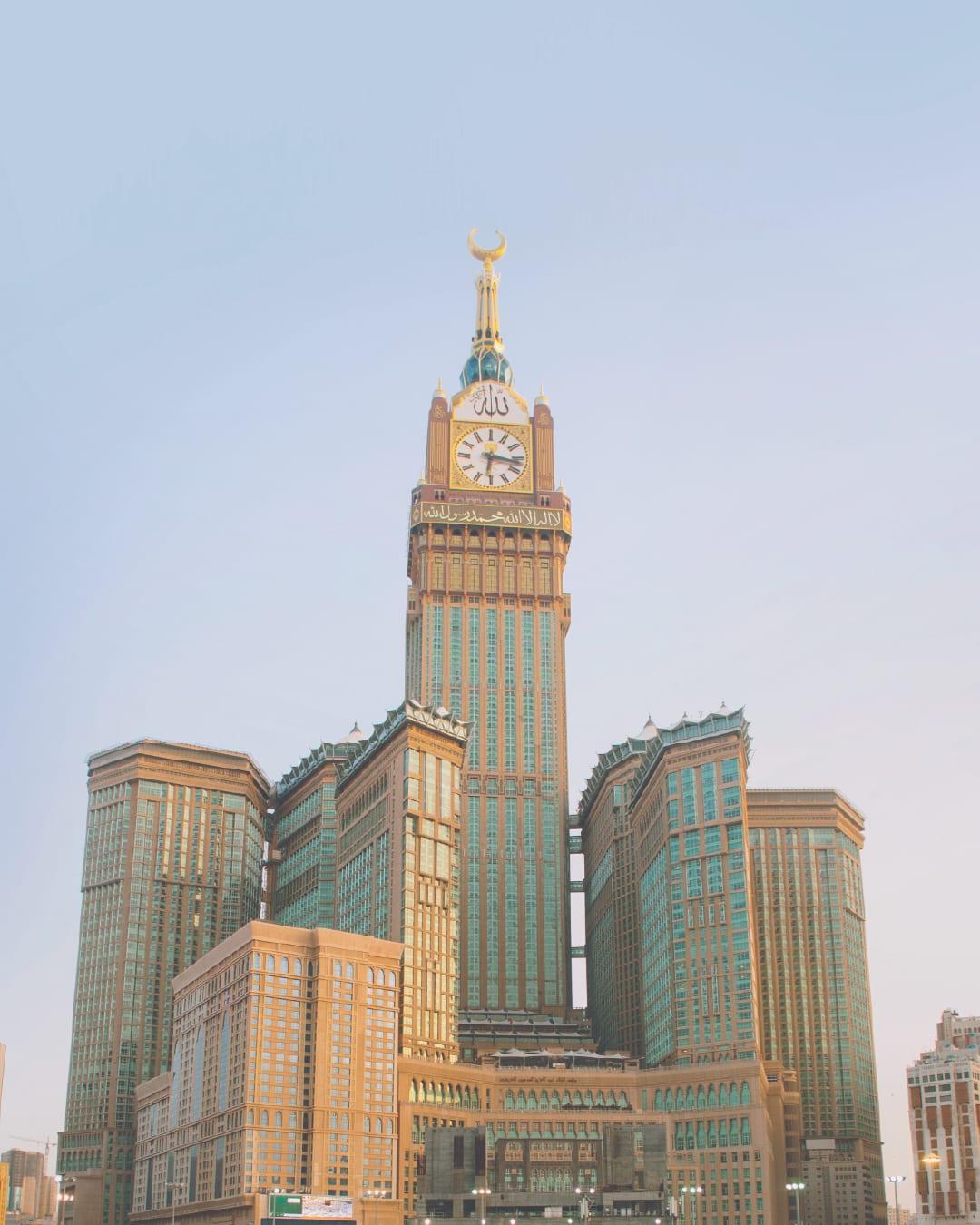
Umrah in Ramadan carries a reward that the Prophet (peace be upon him) described as equal to Hajj, which is why so many pilgrims hope to make the journey in this month above any other. The rites are exactly the same as at any other time of year. What changes is the reward, the fasting, the night prayers and the size of the crowd. This guide sets out the virtues of Umrah in Ramadan with their sources, then what the month is like on the ground for a pilgrim from Australia.
Travel advice, 25 November 2026: the Australian Government's Smartraveller currently advises do not travel to Saudi Arabia, and says to postpone any planned travel, including travel for religious purposes. It reports that air travel is significantly disrupted, with airspace closures, cancellations and delays. Read the latest advice before you pay a deposit. Travelling against official advice can leave you without travel insurance cover, so ask your insurer in writing what it would cover. Our terms are on the refund policy page.
What is the reward for Umrah in Ramadan?
The main evidence is a hadith narrated by Ibn Abbas. A woman of the Ansar had missed Hajj with the Prophet (peace be upon him) because her family's one riding camel had been taken by her husband and son. He said to her, "Perform Umra when Ramadan comes, for Umra in Ramadan is equal to Hajj (in reward)" (Sahih al-Bukhari 1782).
A second narration of the same event names her as Umm Sinan and records the words as "equivalent to Hajj or Hajj with me (in reward)" (Sahih al-Bukhari 1863).
Two points are worth noticing. First, the words were spoken to someone who wanted to go for Hajj and could not. Second, the translators add "in reward" in brackets. Scholars explain that Umrah in Ramadan matches Hajj in reward, and that it does not take the place of the obligatory Hajj for a person who is able to perform it. If you have questions about your own Hajj, the group's Shaykh will advise.
Why is Ramadan in Makkah and Madinah so special?
The reward of the Umrah is one part. A pilgrim who spends days of Ramadan in the two holy cities also gathers the other virtues of the month in the places where worship is most loved.
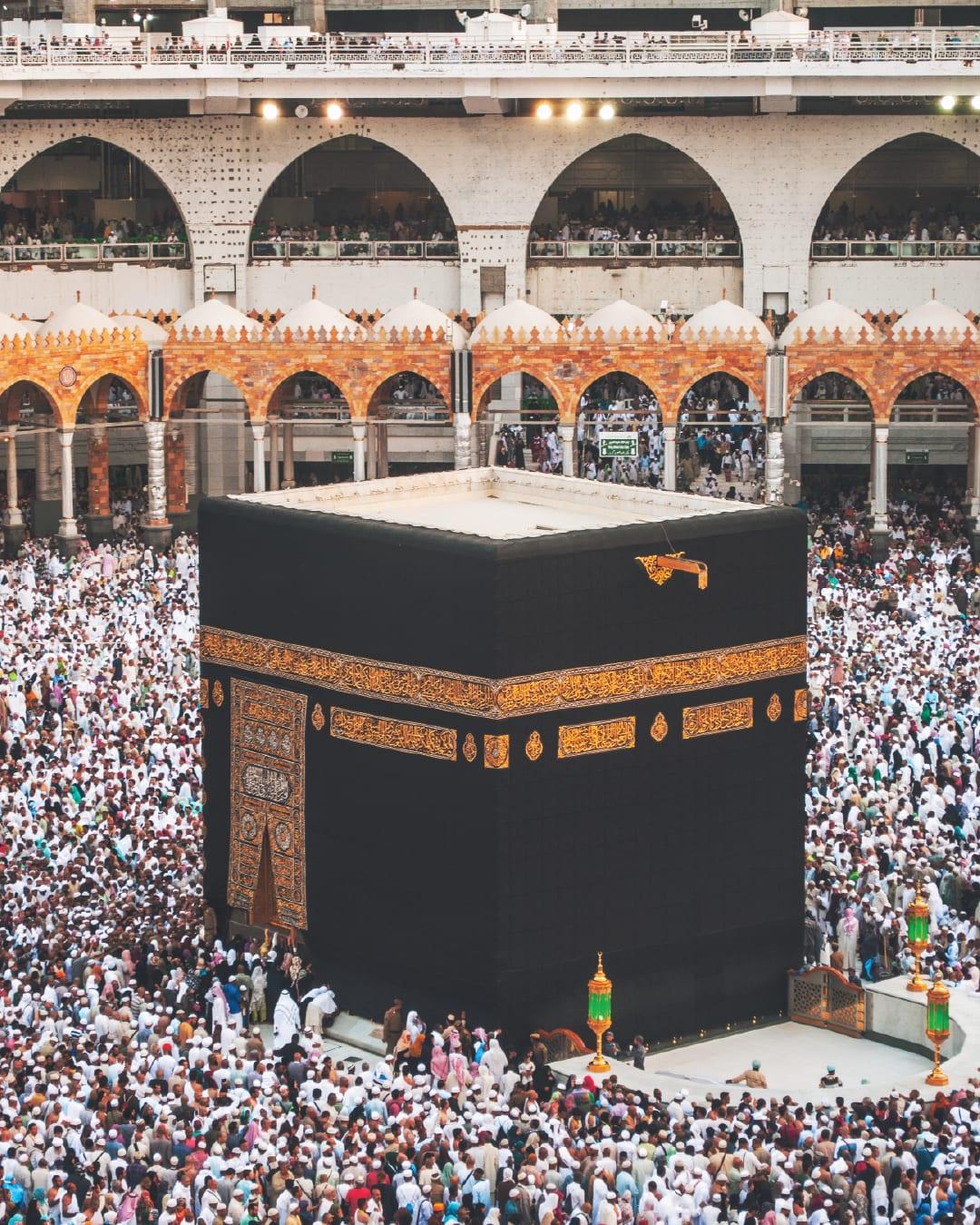
Fasting and forgiveness. The Prophet (peace be upon him) said, "whoever fasts in the month of Ramadan out of sincere faith, and hoping for a reward from Allah, then all his previous sins will be forgiven" (Sahih al-Bukhari 1901). You keep that fast within sight of the Kaaba and break it in the courtyards of the Haram.
Prayer in the Prophet's Mosque. He said, "One prayer in my Mosque is better than one thousand prayers in any other mosque excepting Al-Masjid Al-Haram" (Sahih al-Bukhari 1190). Every prayer you make in Madinah during the trip, including Taraweeh, is made in that mosque.
Laylat al-Qadr. Allah says, "The Night of Glory is better than a thousand months" (Qur'an 97:3). The Prophet (peace be upon him) said, "Search for the Night of Qadr in the odd nights of the last ten days of Ramadan" (Sahih al-Bukhari 2017). The same hadith that promises forgiveness for fasting promises it to whoever stands in prayer on that night with faith and hope of reward.
The example of the last ten nights. Aisha said that when the last ten days began, the Prophet (peace be upon him) "used to tighten his waist belt (i.e. work hard) and used to pray all the night, and used to keep his family awake for the prayers" (Sahih al-Bukhari 2024).
Is Umrah in Ramadan different from Umrah in other months?
The rites do not change. You enter ihram at the miqat, make tawaf, perform Sa'i and cut the hair, as explained in our guide on how to perform Umrah step by step. The differences are in everything around the rites.
| Umrah in Ramadan | Umrah in other months | |
|---|---|---|
| The rites | Ihram, tawaf, Sa'i, cutting the hair | The same |
| Reward | Equal to Hajj in reward (Sahih al-Bukhari 1782) | The reward of Umrah |
| Fasting | You are usually fasting through the day | No fast unless you choose a voluntary one |
| Daily rhythm | Rest by day, worship through the night, Taraweeh every evening | Days and nights as normal |
| Crowds | The busiest time of the Umrah year, most of all the last ten nights | Quieter outside school holidays |
| Cost | Usually the dearest time of year for flights and hotels | Lower outside peak dates |
| Australian school calendar | Ramadan 2027 falls inside Term 1 | Groups often travel in the school holidays |
What is Umrah in Ramadan like day to day?
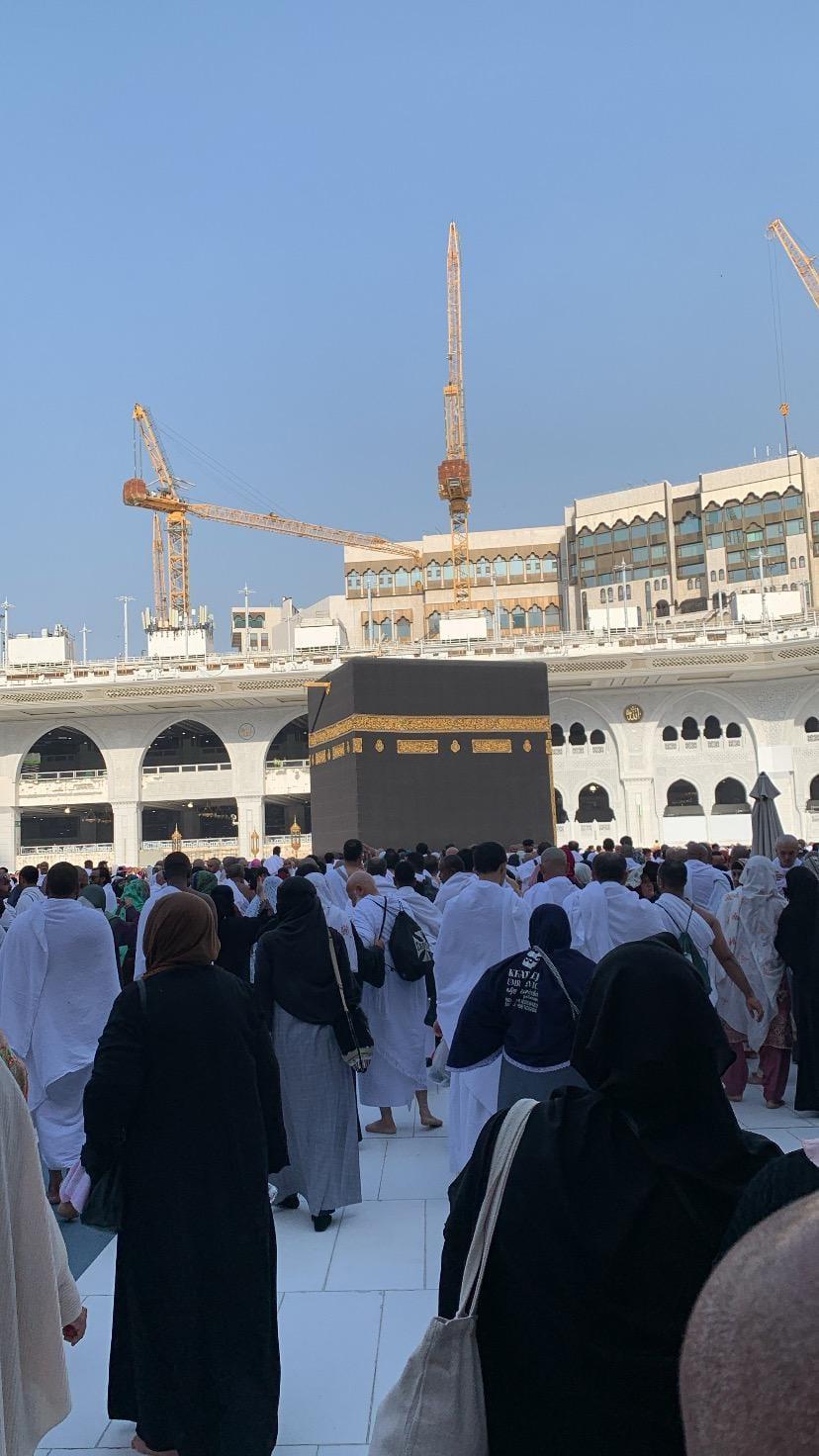
The Umrah itself. Most groups plan the rites for the night, after iftar or after Taraweeh. You have eaten and had water, the marble is cooler, and you are not walking tawaf and Sa'i while thirsty. Allow longer than you would in another month, because the mataf and the Sa'i gallery are full.
The permit. The Saudi Ministry of Hajj and Umrah says a permit to perform Umrah is booked through the Nusuk or Tawakkalna app, that only one permit is active at a time, and that you can book again once it expires. A permit is also needed to pray in the Rawdah in Madinah. Keep your phone charged and your permit ready to show.
Iftar. Breaking the fast in the Haram with dates and Zamzam water, shoulder to shoulder with pilgrims from every country, is the memory most people bring home. Go early, because the prayer areas fill well before Maghrib.
Taraweeh and the night. After Isha the imams lead Taraweeh, and in the last ten nights there is a further late-night prayer. Many pilgrims stay between the two, read Qur'an, then return to the hotel for suhoor and sleep after Fajr.
The day. Days are for rest, Qur'an and the five prayers. Sleep after Fajr and again after Dhuhr, because the nights are full.
Fasting while travelling. Whether to fast on the day you fly, and what to do if fasting makes you unwell, are questions for the Shaykh leading your group. Ask before you leave, not at the airport.
Which part of Ramadan should you choose?
The hadith about the reward covers the whole month. Which part you travel in is a practical choice.
| Part of the month | What it is like | Who it often suits |
|---|---|---|
| First ten days | The calmest part of Ramadan in Makkah. Shorter waits, easier movement | First-time pilgrims, families with children, older pilgrims |
| Middle ten days | Steadily busier. Night worship is well established | Pilgrims who want the Ramadan atmosphere with room to move |
| Last ten nights | The most crowded and most demanding days of the year. Long nights of prayer, Laylat al-Qadr sought on the odd nights | Pilgrims who are fit, patient and have usually been before |
If you care for a parent or bring young children, be honest about what the last ten nights involve: dense crowds, long walks and very little sleep.
When is Ramadan 2027 and what does it mean for Australians?
By astronomical calculation, Ramadan 1448 is expected to begin on or about Monday 8 February 2027 and end on or about 9 March 2027. The dates depend on the sighting of the moon and are only final when announced.
For Australian families that places the whole month inside Term 1. In New South Wales Term 1 runs from 3 February to 9 April 2027, and in Victoria from 27 January to 25 March 2027, so a Ramadan trip with school-age children means time out of class and a conversation with the school. February is also in the cooler part of the Saudi year, which makes fasting days easier than a summer Ramadan would be.
Our Ramadan Umrah 2027 group is planned as a 14 day trip, staying at Four Points by Sheraton in Makkah and Deyar Al Eiman in Madinah, with daily suhoor, the Haramain train and a land-only option for pilgrims who arrange their own flights. Dates and pricing are still being finalised. Given the travel advice above, read Smartraveller and speak to your insurer before you commit to anything.
How do you prepare for Umrah in Ramadan?
- Learn the rites before you go. In a Ramadan crowd you will not always be beside your group leader. Know the four steps well enough to finish them on your own.
- Sort out your documents. Our guide to the Umrah visa for Australians explains the visa routes and the Nusuk permit.
- Build your walking. The walk between hotel and Haram is repeated many times a day, on top of tawaf and Sa'i. Start walking daily a couple of months before.
- Practise fasting and short nights. A few voluntary fasts in the weeks before help your body adjust, and so does waking for prayer before Fajr.
- See your GP. Ask how to time regular medicines around the fast, and take enough for the whole trip in your hand luggage.
- Plan your worship. Decide what you want to complete: a reading of the Qur'an, a list of duas, charity for those fasting.
May Allah invite us to His House in Ramadan and accept it from us. If you would like to talk through whether Ramadan or a quieter month suits your family, see our Umrah trips from Australia or send us an enquiry and our team will answer your questions.
Frequently asked questions
Is Umrah in Ramadan really equal to Hajj?
The Prophet (peace be upon him) said that Umrah in Ramadan is equal to Hajj, and in another narration, to Hajj with him (Sahih al-Bukhari 1782 and 1863). The translators add the words in reward. Scholars explain that it matches Hajj in reward and does not remove the duty of Hajj from someone who is able to go.
Do I have to fast while performing Umrah in Ramadan?
Most pilgrims fast as normal and plan the Umrah for the night, after iftar or after Taraweeh, when it is cooler and they have eaten. Whether a traveller may break the fast, and how to make it up, is a question of Islamic law. Ask the Shaykh leading your group before you travel.
When is Ramadan 2027?
By astronomical calculation Ramadan 1448 is expected to begin on or about Monday 8 February 2027 and end on or about 9 March 2027. The exact days depend on the sighting of the moon and can differ by a day between countries, so treat every date as provisional until it is announced.
Do I need a permit for Umrah in Ramadan?
Yes. The Saudi Ministry of Hajj and Umrah says a permit to perform Umrah is booked through the Nusuk or Tawakkalna app, that only one permit can be active at a time, and that a new one can be booked once it expires. Its guidance makes no exception for Ramadan. You also need a valid Saudi visa.
Is it better to go for the first days of Ramadan or the last ten nights?
The reward of Umrah in Ramadan applies to the whole month. The last ten nights hold Laylat al-Qadr and are the most crowded and demanding days of the year in Makkah. The first half of the month is calmer and often suits families, older pilgrims and first-timers. Choose the part you can worship in well.